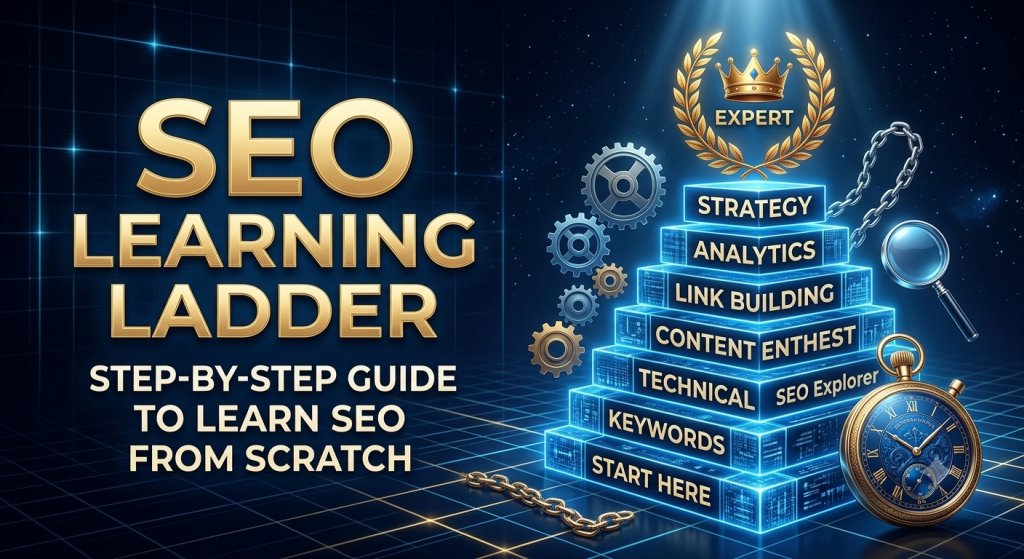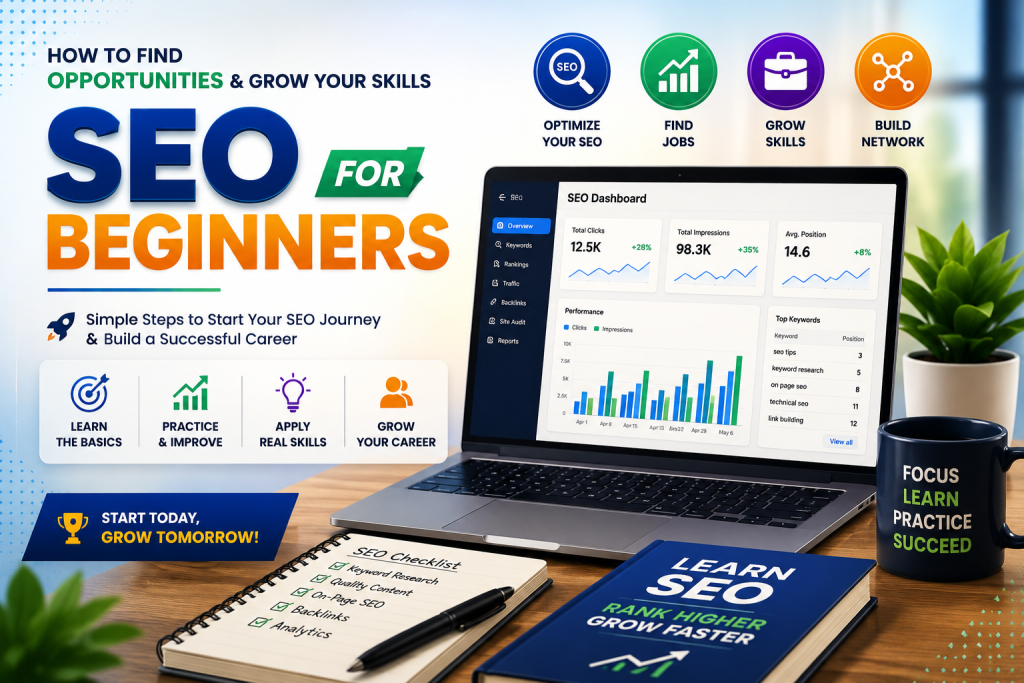
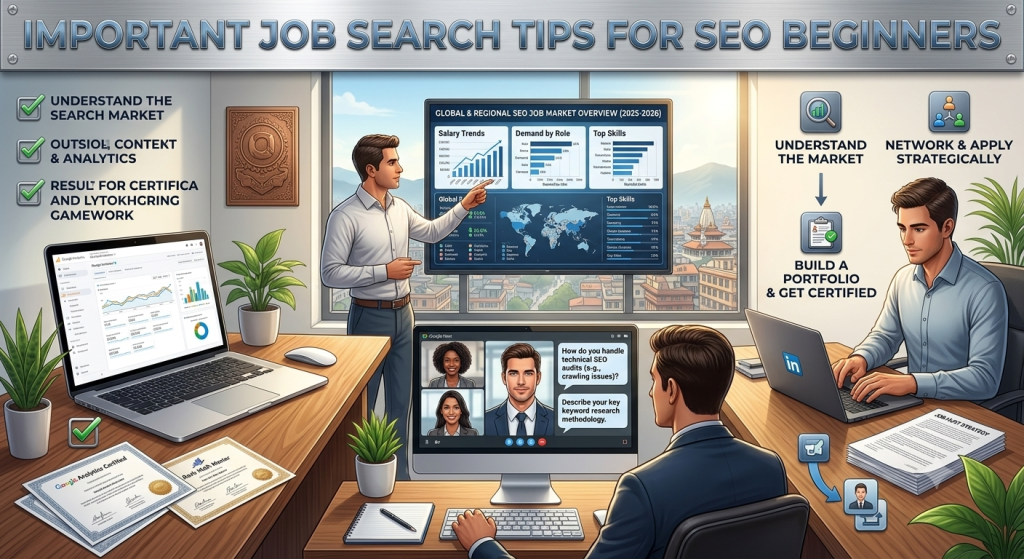
Important Job Search Tips for SEO Beginners are essential for anyone starting a career in Search Engine Optimization. Starting in SEO can feel overwhelming, especially when you don’t have experience, connections, or a clear roadmap. Many beginners struggle not because they lack skills, but because they don’t know where to find SEO jobs, how to approach employers, and which opportunities actually help them grow in the SEO industry.
This guide is designed to solve that problem. It will walk you step-by-step through how to access job providers, where to look for opportunities, and what types of jobs are most useful for skill development as an SEO beginner.
1. Understanding the SEO Job Market

Before you start applying, it’s important to understand what the SEO job market looks like.
SEO jobs are generally divided into:
Freelance work
Agency jobs
In-house roles
Remote gigs
Internship or entry-level roles
As a beginner, your focus should not only be on earning money but also on learning and gaining practical experience.
2. Where SEO Beginners Can Find Job Opportunities
a. Freelance Platforms
Freelance websites are one of the important job search tips for SEO beginners.
Popular platforms include:
Upwork
Fiverr
Freelancer
How to access job providers here:
Create a strong profile (clear headline + skills)
Add sample work (even if self-created)
Apply consistently to small jobs
Tip:
Start with low competition gigs like:
Keyword research
On-page SEO fixes
Meta tag optimization
These tasks are beginner-friendly and help build confidence.
b. Job Boards and Career Websites
Many companies post entry-level SEO jobs on job boards.
You can search for:
“SEO Intern”
“Junior SEO Executive”
“SEO Assistant”
Platforms to use:
LinkedIn Jobs
Indeed
Glassdoor
How to stand out:
Customize your CV for each job
Highlight SEO tools you know (even basic ones)
Mention personal projects or blog work
c. Direct Outreach (Underrated but Powerful)
Most beginners ignore this method, but it works extremely well.
How to do it:
- Find small businesses with poor S
- Analyze their website
- Contact them via email or social media
What to say:
Show 1–2 issues in their site
Offer a simple solution
Suggest a free audit or trial work
These important job search tips for SEO beginners help you:
Build real-world experience
Get your first client faster
Learn practical SEO
d. Social Media and Communities
SEO jobs are often shared informally in communities.
Platforms:
LinkedIn (very powerful)
Facebook groups (SEO, digital marketing)
Twitter/X
What to do:
Follow SEO experts
Comment on posts
Share your learning journey
Why it works:
Employers prefer active learners over silent candidates.
e. Internships (Highly Recommended)
Internships are one of the best ways to enter SEO.
Benefits:
Real experience
Guidance from seniors
Exposure to tools and workflows
Even unpaid internships can be one of the most important job search tips for SEO beginners if:
You are learning actively
You are working on real projects
3. How to Approach Job Providers Effectively
Finding jobs is one thing, but approaching job providers correctly is what makes the difference
a. Build a Beginner-Friendly Portfolio
You don’t need client work to build a portfolio.
You can include:
Keyword research samples
Website audit reports
Blog articles
Case studies (even practice ones)
Example:
“I optimized a sample blog and improved keyword targeting”
b. Create a Simple Personal Brand
You don’t need a big website—just start small.
Options:
LinkedIn profile
Free blog (WordPress, Blogger)
Google Docs portfolio
Focus on:
What you are learning
What you can do
Proof of work
c. Write Smart Proposals (For Freelance Jobs)
Avoid generic proposals like:
“I can do your SEO work.”
Instead:
Mention the client’s problem
Suggest a solution
Show relevant skill
Example:
“I noticed your website lacks optimized meta descriptions. I can help improve your CTR by optimizing them with targeted keywords.”
d. Be Consistent
Most beginners quit too early.
Reality:
You may get 10–20 rejections
First job takes time
But consistency wins.
4. Types of SEO Jobs Best for Beginners
Not all jobs are equal. Some help you grow faster than others.
a. On-Page SEO Tasks
Best starting point.
Includes:
Title tags
Meta descriptions
Header tags
Keyword placement
Why useful:
Easy to learn
Builds foundation
Immediate results
b. Keyword Research Jobs
Very valuable skill.
Tasks:
Finding keywords
Analyzing competition
Search intent research
Why useful:
Core of SEO
Used in every project
c. Content Optimization
Includes:
Updating blog posts
Improving readability
Adding keywords
Why useful:
Combines SEO + content
Improves ranking understanding
d. Technical SEO Basics
Even beginners should learn basics like:
Site speed
Mobile friendliness
Broken links
Why useful:
Makes you stand out
High demand skill
e. Local SEO Jobs
Great for beginners.
Tasks:
Google Business Profile optimization
Local keywords
Citations
Why useful:
Quick results
High demand among small businesses
f. SEO Internships or Assistant Roles
Best for structured learning.
You will learn:
Real workflows
Tools usage
Reporting
5. Jobs to Avoid (At the Beginning)
Some jobs are not ideal for beginners.
Avoid:
High-pressure agency roles without training
Cheap bulk backlink jobs
Spammy SEO tasks
These may:
Damage your learning
Create bad habits
6. Tools Beginners Should Know
One of the most important job search tips for SEO beginners is that you don’t need to master everything, but basic familiarity helps.
Start with:
Google Search Console
Google Analytics
Ubersuggest
Ahrefs (basic understanding)
Even knowing how to use free tools properly is enough at the start.
7. Building Experience Without a Job
If you’re not getting hired, don’t wait—create your own experience.
a. Start a Blog
Choose a niche
Write SEO-optimized content
Track performance
b. Practice Website Audits
Analyze random websites
Find SEO issues
Suggest improvement
c. Help Friends or Small Business
Offer:
Free SEO help
Basic optimization
This builds:
Confidence
Real experience
8. How to Grow After Getting Your First Job
Once you get your first job, focus on growth.
a. Learn Advanced Skills
Move into:
Link building
SEO strategy
b. Track Your Results
Keep records like:
Ranking improvements
Traffic growth
CTR changes
Use these as case studies.
c. Increase Your Rates
As your skills improve:
Charge more
Target better clients
9. Common Mistakes Beginners Make
Important job search tips for SEO beginners includes avoiding these mistakes:
Waiting to be “perfect” before applying
Ignoring practical experience
Copy-pasting proposals
Not building a portfolio
Giving up too early
10. Final Roadmap for SEO Beginners
Here is a step by step plan:
- Learn SEO basics
- Practice on your own projects
- Build a portfolio
- Start applying for small jobs
- Do internships or freelance work
- Gain experience
- Move to better roles
Conclusion
Starting a career in SEO is not about luck—it’s about strategy, consistency, and smart learning.
These important job search tips for SEO beginners suggest that your goal should not be just to “get a job,” but to:
Gain real experience
Build practical skills
Understand how SEO works in real-world situations
Focus on accessible opportunities, approach job providers with confidence, and choose jobs that help you grow, not just earn.
If you stay consistent and keep learning, SEO can become a highly rewarding and long-term career.